
The Origin of the Veil in the Bible
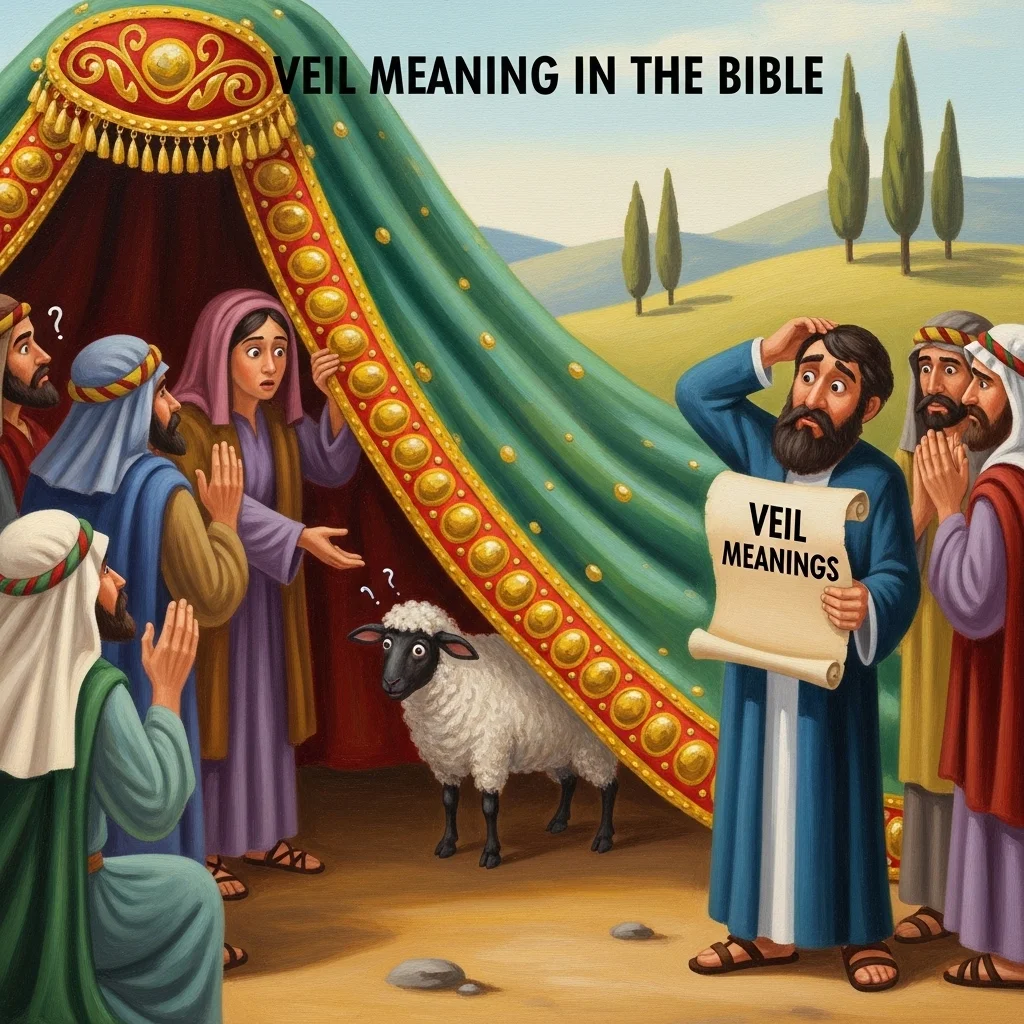
The concept of the veil first appears in the Old Testament, particularly in the design of the Tabernacle described in Exodus.
1. The Veil in the Tabernacle
God instructed Moses to create a veil to separate the Holy Place from the Most Holy Place (Holy of Holies):
- This veil symbolized the barrier between God and humanity.
- Only the high priest could pass beyond it—and only once a year (Leviticus 16).
2. The Temple Veil
Later, in the Temple, the veil continued to represent this separation. It was thick, sacred, and highly significant.
Key Insight:
The veil represented God’s holiness and the limited access humans had to His presence.
Veil Meaning in Bible: Core Symbolism
The veil meaning in Bible can be understood through several powerful themes:
1. Separation Between God and Humanity
The veil symbolized the divide caused by sin—humans could not freely approach God’s presence.
2. Holiness and Reverence
It emphasized that God is holy and must be approached with reverence and purity.
3. Mystery of God
The veil also represented the hidden nature of God’s full glory and truth.
4. Protection
Interestingly, the veil protected people from God’s overwhelming presence, which could not be approached casually.
The Veil Torn: A Turning Point
One of the most important moments related to the veil occurs during the crucifixion of Jesus:
- Matthew 27:51: “The veil of the temple was torn in two from top to bottom.”
This event is deeply symbolic:
What It Means:
- Access to God Restored: The barrier between God and humanity was removed.
- New Covenant Established: Through Jesus, people can now approach God directly.
- End of Separation: The tearing of the veil represents reconciliation and grace.
Powerful Insight:
The veil was torn from top to bottom, symbolizing that God Himself removed the barrier.
Spiritual Symbolism of the Veil
The veil holds profound spiritual meaning:
1. From Separation to Connection
Before Christ, the veil represented distance. After Christ, it symbolizes direct access to God.
2. Inner Transformation
The veil can represent spiritual blindness or lack of understanding that is removed through faith.
3. Revelation of Truth
Removing the veil symbolizes seeing truth clearly and understanding God’s will.
4. Intimacy with God
The absence of the veil represents a closer, personal relationship with God.
Cultural Significance of the Veil
1. Ancient Jewish Culture
Veils were used in religious settings to represent holiness and separation.
2. Symbol of Modesty
In biblical times, veils were also worn by women as a sign of modesty and respect (Genesis 24:65).
3. New Testament Teachings
The Apostle Paul the Apostle discusses veiling in 1 Corinthians 11, linking it to cultural practices and spiritual symbolism.
Psychological Angle: The Veil as a Metaphor
Psychologically, the veil can represent:
1. Emotional Barriers
Just as the veil separated people from God, individuals may have internal barriers that block connection and growth.
2. Hidden Truths
The veil can symbolize things we don’t fully understand about ourselves or life.
3. Personal Growth
“Lifting the veil” represents gaining clarity, awareness, and transformation.
4. Fear and Protection
Like the biblical veil, psychological barriers sometimes protect us—but can also limit us.
Case Study: The Veil in Everyday Life
Consider someone struggling with fear or doubt:
- They feel distant from purpose or spirituality.
- Through reflection and faith, they begin to “lift the veil” of misunderstanding.
- They gain clarity, confidence, and a stronger sense of direction.
This mirrors the biblical symbolism—moving from separation to connection and understanding.
Practical Advice: Applying the Veil Meaning in Bible
1. Remove Spiritual Barriers
Reflect on anything that may be separating you from faith, peace, or purpose.
2. Seek Clarity
Pursue truth and understanding through study, prayer, and reflection.
3. Embrace Direct Connection
Remember that you have access to God without barriers.
4. Live Transparently
Avoid hiding behind emotional or spiritual “veils” in relationships and personal growth.