
What is Gall? A Literal and Biblical Explanation
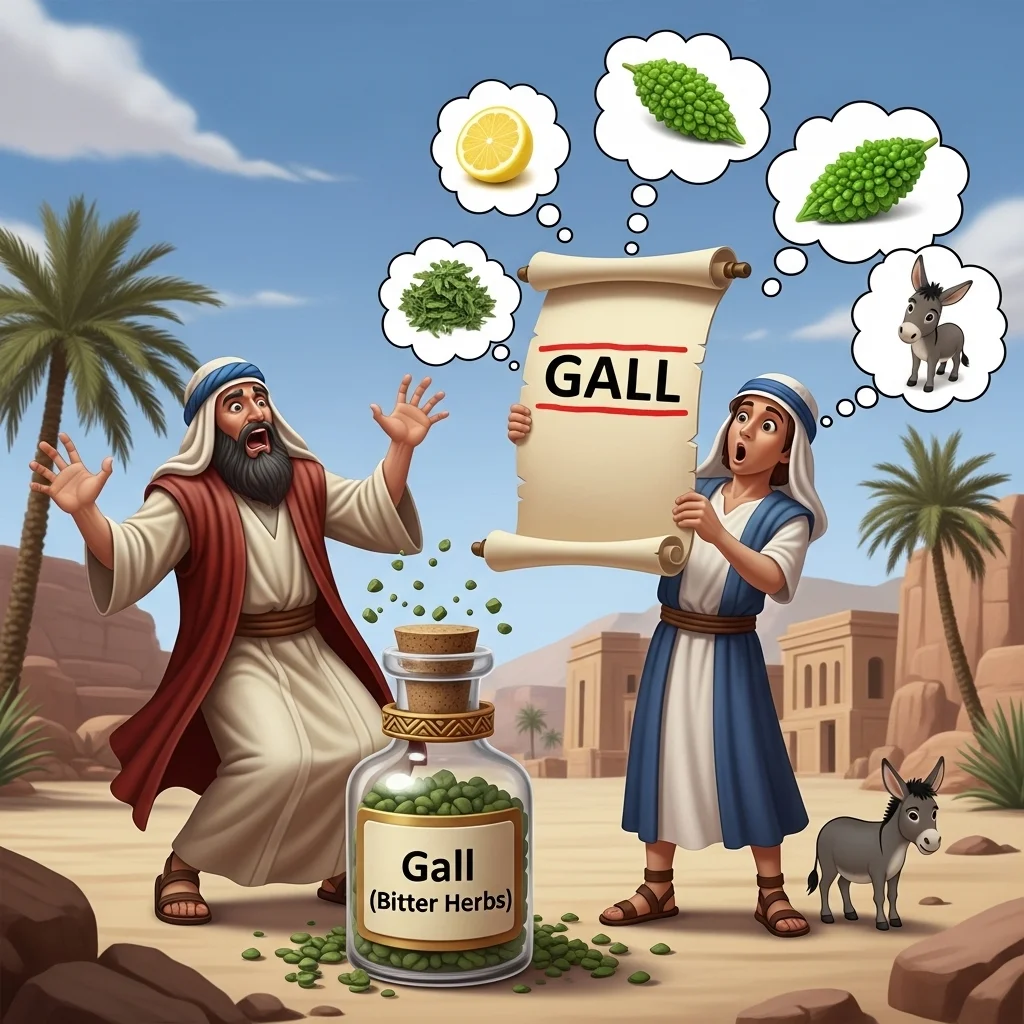
Gall, in its literal sense, is a bitter, yellowish substance found in the liver of animals, particularly oxen or cows. Historically, it was known for its intense bitterness and was sometimes used as a poison or a medicinal ingredient.
In the Bible, gall symbolizes bitterness, suffering, and the harshness of sin. The term appears multiple times in both the Old and New Testaments, often connected with human cruelty, suffering, or as a metaphor for spiritual hardship.
For example:
Psalm 69:21 (KJV): “They gave me also gall for my meat; and in my thirst they gave me vinegar to drink.”
Matthew 27:34 (KJV): “They gave him vinegar to drink mingled with gall: and when he had tasted thereof, he would not drink.”
These passages show that gall was associated with pain, torment, and the bitterness of life, both literally and figuratively.
Symbolism of Gall meaning in Bible
Understanding the symbolism of gall helps reveal its spiritual depth:
| SymbolMeaning in Biblical Context | |
|---|---|
| Bitterness | Gall represents the bitterness of sin, betrayal, and suffering. |
| Poison | It signifies harmful actions, destructive behavior, or spiritual toxicity. |
| Suffering and Pain | Gall reflects the trials and tribulations faced by believers. |
| Testing and Sacrifice | In some contexts, gall serves as a metaphor for enduring hardships for a higher purpose. |
Key Insight: When the Bible mentions gall, it is rarely about the substance itself. Instead, it is a spiritual metaphor for the bitterness of human experience and the need for God’s guidance and comfort.
Cultural and Historical Context of Gall
In ancient cultures, including those during biblical times, gall had both practical and symbolic uses:
Medicinal Use: Gall was sometimes used in remedies for digestive issues, though its extreme bitterness made it more symbolic than therapeutic.
Symbol of Bitterness: In everyday speech, gall symbolized anger, cruelty, and malice. Expressions like “full of gall” described someone embittered or spiteful.
Culinary Practices: Occasionally, gall or vinegar mixed with gall was used as a punitive taste, such as giving it to criminals or during executions, reflecting contempt and mockery.
These practices reinforced the spiritual symbolism of gall as a reminder of the consequences of sin and the bitterness it brings.
Gall in Spiritual and Psychological Terms
Spiritual Perspective
Spiritually, gall represents the hardships of life and the bitterness caused by sin or injustice. It serves as a reminder of:
The reality of suffering in a fallen world.
The importance of faith and perseverance in trials.
The need to avoid bitterness in our own hearts toward others.
For instance, Christ’s suffering on the cross, where He was offered vinegar mixed with gall, symbolizes not only physical pain but also the spiritual weight of humanity’s sin that He bore.
Psychological Perspective
From a psychological angle, gall can symbolize:
Resentment and bitterness: Holding onto anger or unforgiveness can feel like consuming something bitter every day.
Emotional toxicity: Just as gall is poisonous, unresolved negative emotions can harm the mind and spirit.
Coping mechanism: Recognizing the “gall” in our lives can prompt emotional release, forgiveness, and growth.
Case Study: Biblical Example of Gall
Consider Psalm 69, attributed to David, who describes extreme suffering and betrayal:
“They gave me also gall for my meat; and in my thirst they gave me vinegar to drink.”
Here, gall symbolizes the cruelty of David’s enemies and his personal suffering. Yet, even in this bitterness, David turns to God for deliverance, showing that acknowledging pain while seeking divine help transforms bitterness into spiritual growth.
Practical Lessons from the Meaning of Gall
Recognize bitterness in your life: Just as gall is hard to swallow, unresolved resentment or envy can be toxic.
Transform suffering into growth: Like biblical figures, use hardships as a path to deepen faith and resilience.
Avoid “serving gall” to others: Refrain from bitterness or cruelty in your interactions; kindness can neutralize spiritual toxicity.
Reflect and forgive: Spiritual wisdom often comes from confronting the “gall” in relationships or circumstances and choosing forgiveness.
Real-Life Example: Someone experiencing betrayal at work may feel “gall” in their heart. By acknowledging the pain but responding with integrity and forgiveness, they turn a bitter experience into a learning opportunity.
Cultural and Modern Relevance
Even today, the symbolism of gall resonates:
Literature and art: Gall is often used metaphorically to describe toxic relationships or societal injustices.
Personal development: Coaches and therapists use the concept of “emotional gall” to help clients confront bitterness.
Faith communities: Many Christian teachings highlight the need to overcome bitterness with grace, reflecting the biblical use of gall as a spiritual metaphor.
