
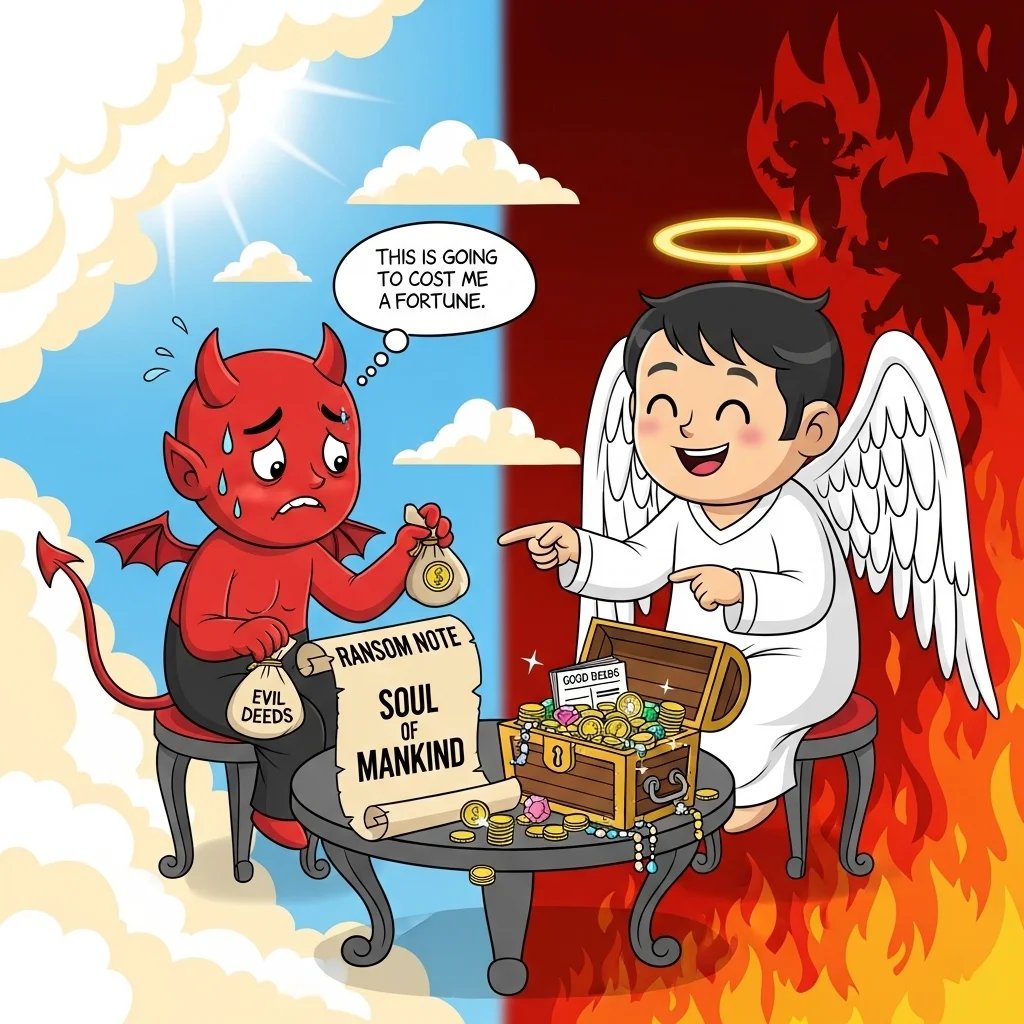
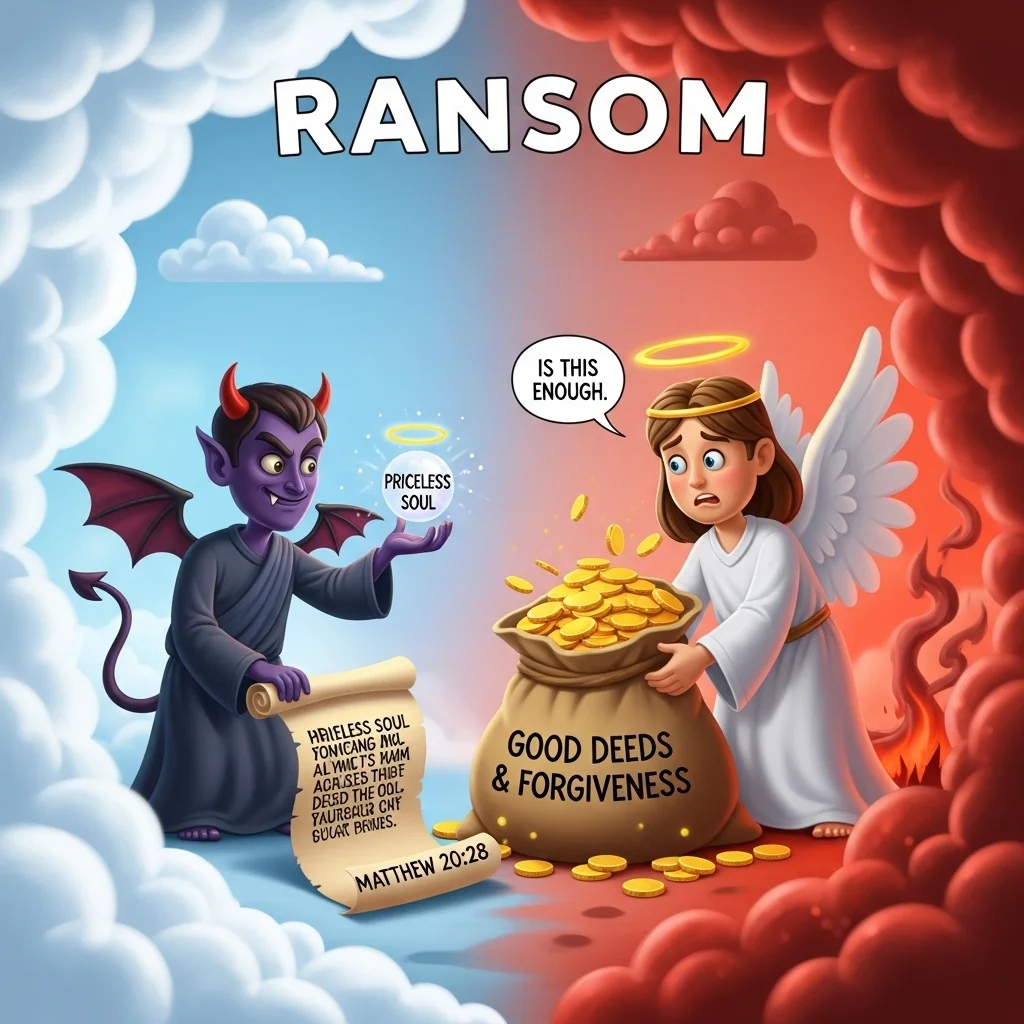
What Is the Ransom Meaning in Bible?
The ransom meaning in Bible comes from two primary root words:
Hebrew: kopher (price of redemption, covering)
Greek: lytron (payment to release a slave or captive)
At its core, ransom means:
A price paid to secure freedom.
But in the Bible, the payment isn’t just financial—it’s spiritual and sacrificial.
Ransom involves:
A captive condition
A costly payment
A liberating result
Without captivity, ransom makes no sense. Without cost, ransom has no weight.
Ransom in the Old Testament
The Old Testament lays the foundation for understanding ransom.
1. The Exodus Story
In Exodus, God delivers Israel from Egyptian slavery. Though the word “ransom” isn’t always explicitly used, the concept is clear: deliverance required intervention and sacrifice.
The Passover lamb played a crucial role. Its blood marked protection and liberation.
This moment shapes the broader ransom meaning in Bible—it connects deliverance with sacrifice.
2. Ransom in Mosaic Law
Under the Law of Moses, ransom payments were sometimes required.
For example:
Exodus 21:30 describes ransom paid to spare a life.
Exodus 30:12 mentions a ransom offering to prevent plague.
These passages show that ransom:
Substitutes one thing for another
Prevents judgment
Acknowledges the value of life
Ransom in the New Testament
The New Testament brings the concept into sharp focus.
In the Gospel accounts, Jesus Christ says:
“The Son of Man came… to give His life as a ransom for many.” (Mark 10:45)
This verse is central to the ransom meaning in Bible.
Here’s what it implies:
Humanity is spiritually captive.
A price is required.
Jesus becomes that price.
The Greek word lytron used here specifically refers to freeing slaves. The audience would immediately understand its weight.
Symbolism Behind the Ransom Meaning in Bible
Ransom carries multiple layers of symbolism.
| Element | Symbolic Meaning |
|---|---|
| Captivity | Sin, spiritual bondage |
| Price | Sacrifice |
| Payment | Christ’s life |
| Freedom | Salvation |
| Substitute | Innocent for guilty |
This symbolism transforms the ransom meaning in Bible from a legal transaction into a relational rescue.
Case Study: The Story of Barabbas
A powerful illustration of ransom appears in the trial before Pontius Pilate.
Barabbas, a criminal, was set free while Jesus was crucified.
The innocent died.
The guilty walked free.
This real-life moment demonstrates the ransom meaning in Bible visually:
The substitute suffers.
The captive is released.
Justice and mercy intersect.
Barabbas didn’t pay his own price. Someone else did.
That’s ransom.
Cultural Context: Slavery in the Ancient World
To fully grasp the ransom meaning in Bible, we must understand ancient slavery.
In the Roman world:
Slaves could be purchased.
Freedom required payment.
A redeemer could buy someone’s liberty.
The term “redeemer” was common in Jewish culture as well. In the Book of Ruth, a kinsman-redeemer restores Naomi’s family line.
Ransom was not abstract theology. It was everyday reality.
When Jesus spoke about ransom, listeners understood the cost and the relief.
The Psychological Angle: Why Ransom Resonates Deeply
Why does the idea of ransom move people so profoundly?
Because humans instinctively recognize bondage.
Bondage today may look like:
Addiction
Shame
Fear
Guilt
Regret
The ransom meaning in Bible speaks directly to these internal prisons.
Psychologically, it offers:
Relief from condemnation
Hope beyond failure
Assurance of worth
Restoration of dignity
When someone believes a price was paid for them, it reshapes self-perception.
They move from:
“I am trapped.”
to
“I have been freed.”
Spiritual Meaning of Ransom in Bible
Spiritually, ransom connects to three core doctrines:
1. Substitution
Jesus stands in place of humanity.
2. Atonement
His death satisfies justice.
3. Redemption
Believers are purchased from spiritual slavery.
The Apostle Paul writes:
“You were bought at a price.” (1 Corinthians 6:20)
This statement reinforces the ransom meaning in Bible—salvation is costly.
Grace is free to us, but it was not cheap.
Ransom Compared to Other Biblical Concepts
| Concept | Focus | Relationship to Ransom |
|---|---|---|
| Justification | Legal declaration | Result of ransom |
| Redemption | Purchase | Closely linked |
| Atonement | Covering sin | Enabled by ransom |
| Forgiveness | Removal of guilt | Made possible through ransom |
Ransom is the payment mechanism that unlocks these other blessings.
Misunderstandings About Ransom
Let’s address common misconceptions.
Myth 1: God Paid Satan a Ransom
Scripture does not explicitly state that the payment was made to Satan. It emphasizes liberation and justice rather than a transaction with the devil.
Myth 2: Ransom Means Everyone Is Automatically Saved
While the price is sufficient for all, individuals must respond in faith.
Myth 3: Ransom Is Only About Death
It also includes resurrection victory and restored relationship.
The true ransom meaning in Bible centers on divine justice and mercy working together.
Real-Life Illustration
Imagine someone drowning in debt they can never repay. Interest piles up. Stress consumes them.
Then someone steps in and pays the entire balance.
That’s relief.
That’s restoration.
That’s ransom.
Now multiply that infinitely—because spiritual debt isn’t measured in currency.
The ransom meaning in Bible teaches that humanity’s moral debt required a perfect substitute.
Practical Applications Today
Understanding the ransom meaning in Bible transforms daily life.
1. Live in Gratitude
When you realize the cost of your freedom, entitlement fades.
2. Extend Forgiveness
Freed people forgive others.
3. Reject Shame
If the price was fully paid, ongoing guilt loses authority.
4. Value Yourself
If you were ransomed, you have immense worth.
Ransom and Freedom
Freedom is not merely the absence of chains—it is the presence of new life.
In the New Testament, freedom includes:
Freedom from condemnation
Freedom from fear
Freedom from eternal separation
This freedom doesn’t encourage recklessness. It inspires obedience born from love.
That’s the deeper ransom meaning in Bible.
