
Detailed Explanation of Impurity Meaning in Bible
Biblical Definition of Impurity
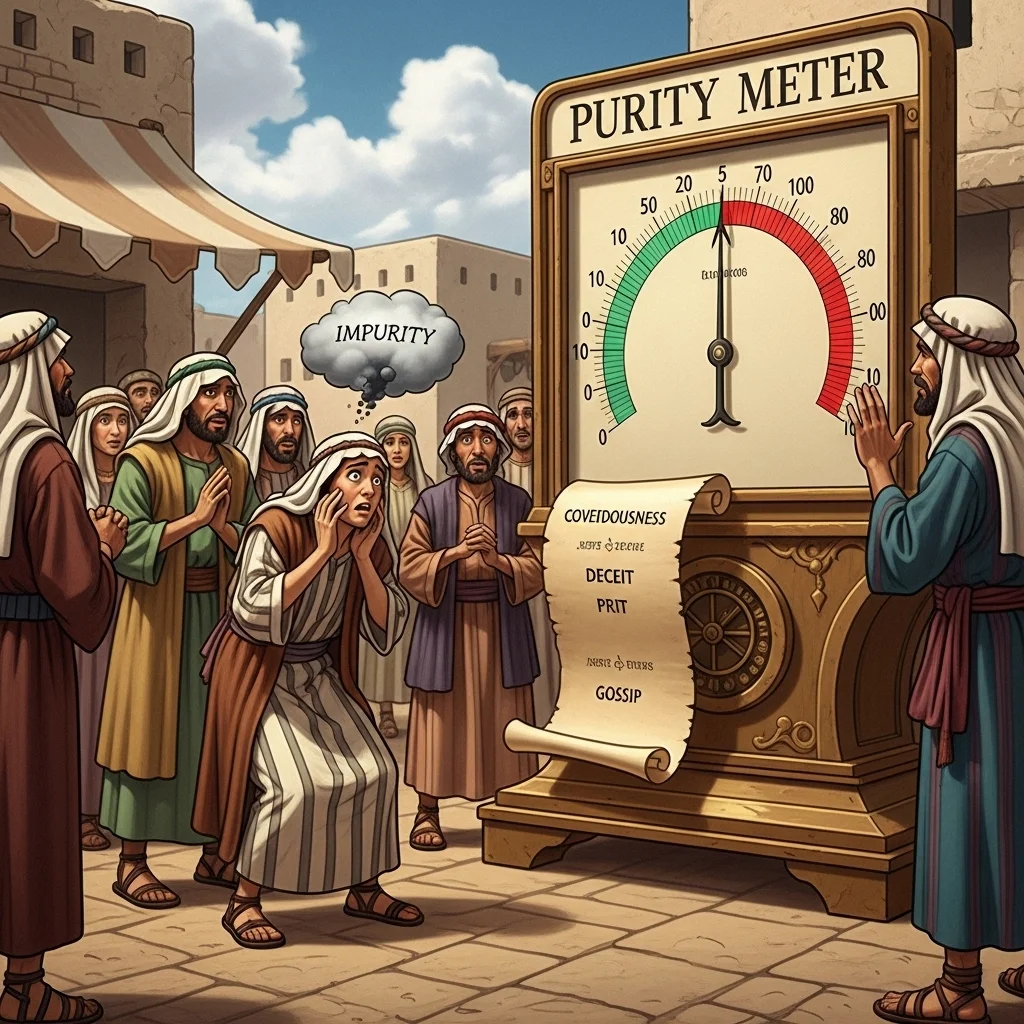
In the Bible, impurity generally refers to:
- Moral uncleanness
- Spiritual defilement
- Actions or thoughts that go against God’s standards
The Greek word often translated as impurity is akatharsia, meaning “uncleanness” or “impurity.”
Key Biblical References
The impurity meaning in Bible is highlighted in several important verses:
- Galatians 5:19 – Lists impurity among acts of the flesh
- Ephesians 5:3 – Calls believers to avoid impurity completely
- Matthew 5:8 – “Blessed are the pure in heart…” taught by Jesus Christ
These passages show that impurity is not just about behavior—it’s about the condition of the heart.
Symbolism of Impurity Meaning in Bible
Impurity carries deep symbolic meaning in Scripture.
1. Separation from God
Impurity represents a barrier between humans and God.
👉 Symbolic meaning:
Distance from God’s holiness
2. Inner Corruption
Impurity is often associated with what is inside a person, not just external actions.
👉 Symbolic meaning:
A polluted heart or mind
3. Loss of Spiritual Clarity
Impurity can cloud judgment and weaken spiritual awareness.
👉 Symbolic meaning:
Confusion and lack of direction
Case Study / Example: Inner vs Outer Purity
One powerful example comes from the teachings of Jesus Christ.
The Teaching
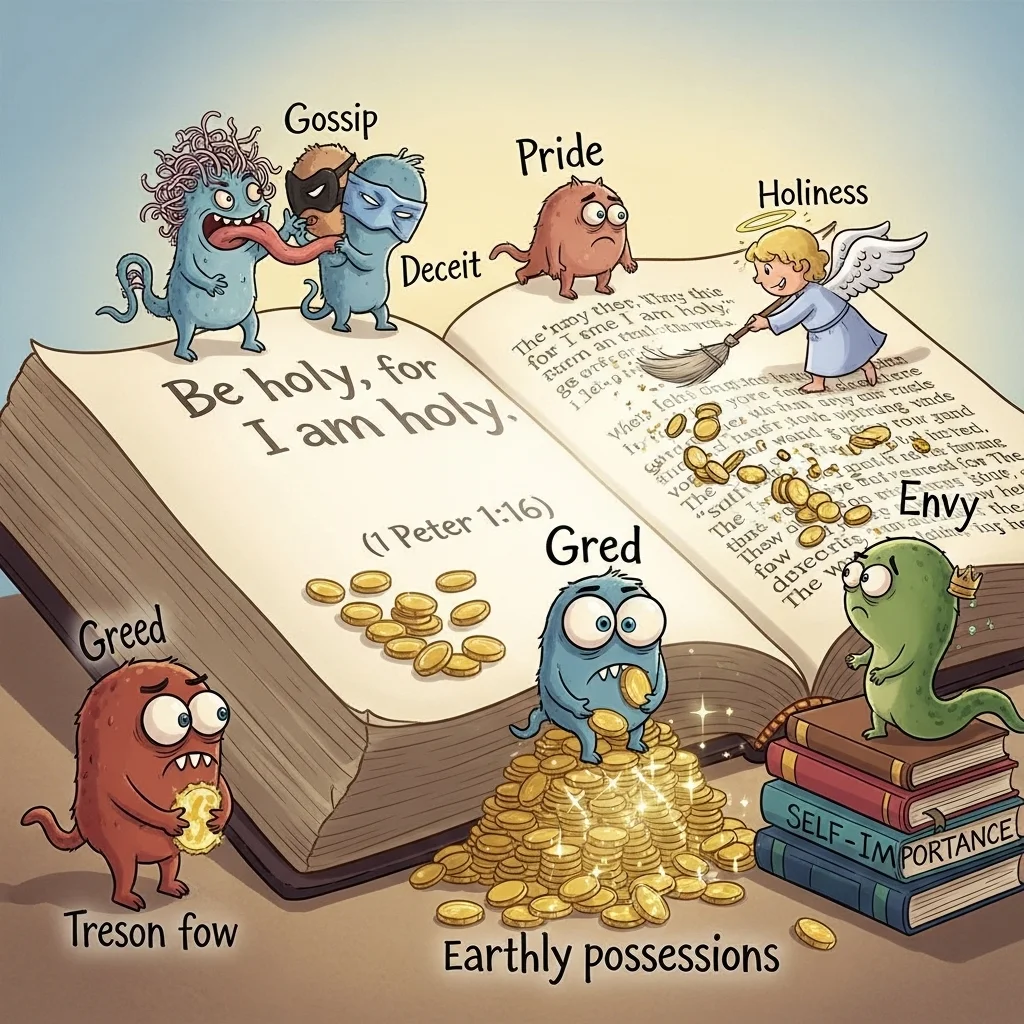
He emphasized that it’s not what goes into a person that makes them unclean, but what comes out—such as:
- Evil thoughts
- Greed
- Pride
Interpretation
This shows that:
- Impurity begins in the heart
- External appearance does not equal spiritual purity
👉 Lesson:
The impurity meaning in Bible focuses more on inner transformation than outward rituals
Cultural Meanings of Impurity
Old Testament Practices
In ancient biblical culture, impurity often involved:
- Dietary laws
- Physical cleanliness
- Ritual purification
These laws were meant to teach spiritual truths through physical practices.
Modern Understanding
Today, impurity is more commonly understood as:
- Moral wrongdoing
- Negative thoughts or behaviors
- Lack of integrity
Comparison Table: Cultural vs Biblical Meaning
| Aspect | Old Testament View | New Testament View |
|---|---|---|
| Focus | Physical cleanliness | Heart and intention |
| Method | Ritual purification | Inner transformation |
| Purpose | Obedience to law | Relationship with God |
| Outcome | External purity | Spiritual purity |
👉 This shows how the impurity meaning in Bible evolves from external practices to internal reality.
Psychological Angle of Impurity Meaning in Bible
Impurity is not just a spiritual issue—it also affects mental and emotional health.
Psychological Effects
Impurity can lead to:
- Guilt and shame
- Anxiety
- Loss of self-respect
Mental Perspective
When a person engages in actions that conflict with their values:
- It creates inner tension
- Leads to emotional instability
👉 Key takeaway:
The impurity meaning in Bible aligns with psychological principles of integrity and inner peace
Spiritual Angle of Impurity Meaning in Bible
This is the deepest level of understanding.
God’s Call to Purity
The Bible calls believers to live pure lives:
- In thoughts
- In actions
- In intentions
The Role of the Heart
According to Jesus Christ:
- Purity begins within
- A clean heart leads to a clean life
Cleansing and Restoration
The Bible also offers hope:
- God can cleanse impurity
- Repentance brings renewal
- Grace restores purity
👉 Spiritual truth:
The impurity meaning in Bible is not just about avoiding wrong—it’s about becoming spiritually clean and whole
Practical Advice: Living a Pure Life
Understanding impurity is important, but applying it is life-changing.
1. Guard Your Thoughts
- Be mindful of what you think about
- Focus on positive and uplifting ideas
2. Choose Your Actions Wisely
- Align your behavior with your values
- Avoid situations that lead to temptation
3. Stay Spiritually Connected
- Pray regularly
- Read Scripture
- Reflect on your actions
4. Practice Self-Discipline
- Set boundaries
- Stay consistent in your choices
