
Biblical Origin and References of Lily
The lily is mentioned several times in the Bible, often to illustrate God’s provision and beauty in creation.
Key Biblical Mentions
| Scripture | Reference | Significance |
|---|---|---|
| Song of Solomon 2:1 | “I am the rose of Sharon, and the lily of the valleys.” | Represents beauty, purity, and love |
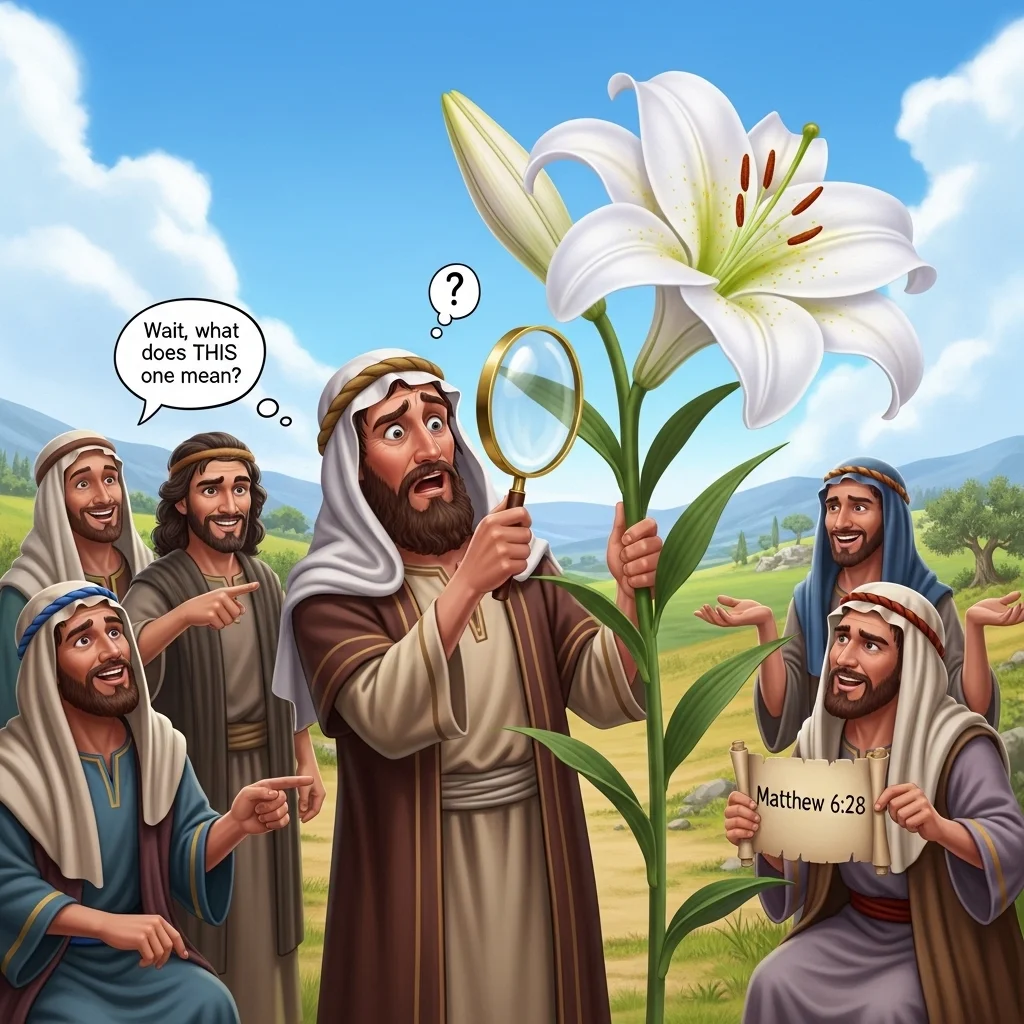
| Matthew 6:28–29 | “Consider the lilies of the field… they neither toil nor spin.” | Demonstrates God’s care and provision |
| Hosea 14:5 | “I will be like the dew to Israel; he shall blossom like the lily.” | Symbol of spiritual flourishing and divine blessing |
In these verses, lilies symbolize God’s provision, elegance, and attention to detail. They are used to remind believers that faith and trust in God bring beauty and growth in life.
Spiritual Symbolism of Lilies in the Bible
The lily meaning in Bible extends beyond physical beauty and includes spiritual lessons.
1. Purity and Innocence
Lilies are often associated with purity of heart and innocence, reflecting the spiritual quality God desires in His followers.
Matthew 6:28–29 emphasizes that lilies grow without toil, symbolizing the pure trust and faith in God’s provision.
2. Spiritual Growth and Flourishing
Lilies naturally blossom beautifully under God’s care, representing how believers flourish spiritually when rooted in faith.
Hosea 14:5 describes Israel blooming like a lily under God’s blessing, showing that divine care leads to spiritual maturity.
3. Beauty and Divine Favor
The lily’s elegance is symbolic of God’s favor and the inner beauty that comes from a life devoted to Him.
In Song of Solomon, the lily reflects love, beauty, and devotion, both human and divine.
Case Study: Lilies in Jesus’ Teachings
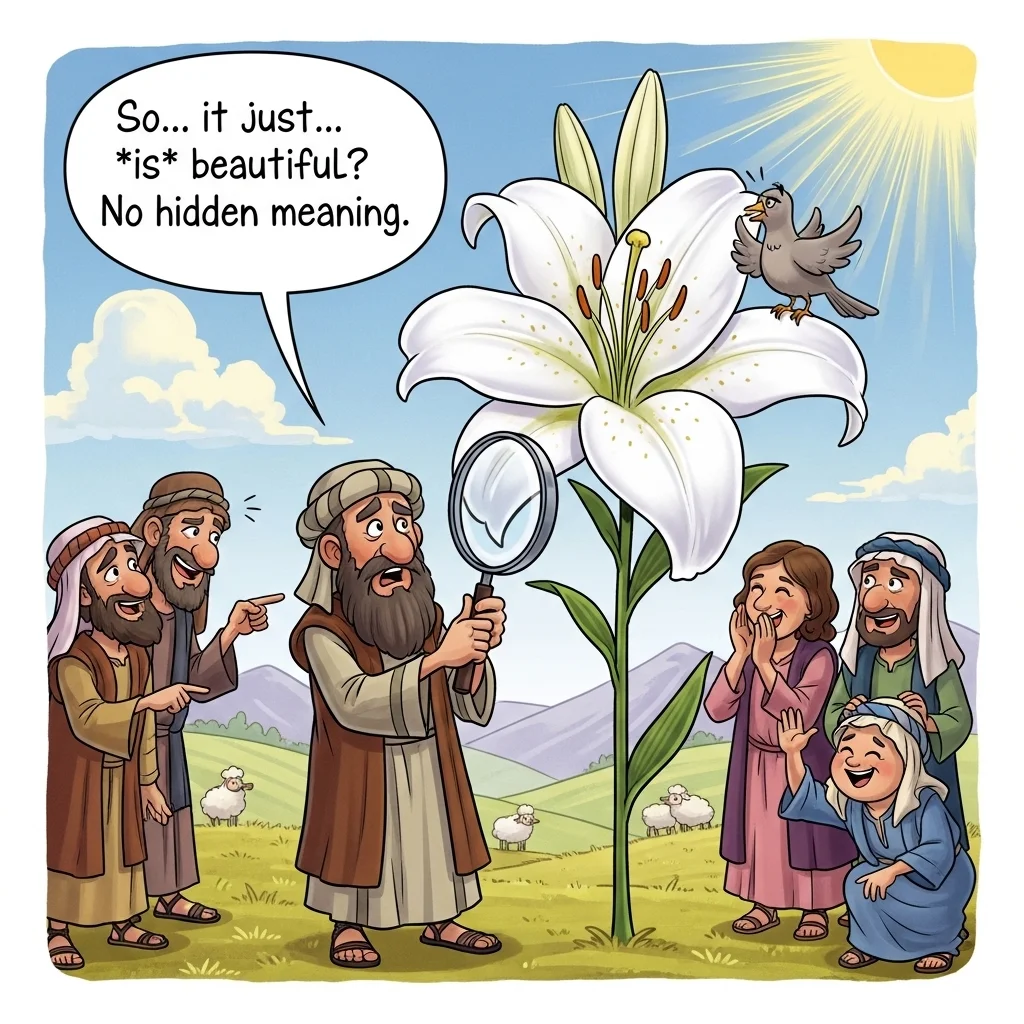
One of the most cited references to lilies is in Matthew 6, where Jesus uses lilies to teach about faith, worry, and trust in God.
Lesson from the Lilies
Lilies do not work or toil yet are adorned in splendor by God.
Jesus encourages believers to trust in God’s provision rather than being anxious about material needs.
The lily becomes a symbol of faith in God’s timing and care.
This passage demonstrates that lilies are not only a reflection of natural beauty but also a spiritual metaphor for trust and divine faithfulness.
Cultural Significance of Lilies
Beyond biblical references, lilies have long been associated with spirituality, purity, and celebration in Christian culture.
Christian Symbolism
Virgin Mary: Lilies often symbolize Mary’s purity and obedience.
Easter: White lilies represent resurrection, renewal, and hope.
Church Art: Lilies appear in paintings, stained glass, and religious iconography to represent faithfulness and divine beauty.
Global Interpretations
| Culture | Symbolism of Lily |
|---|---|
| European Christian | Purity, divine grace |
| East Asian | Renewal, peace, and spiritual balance |
| Modern Western | Elegance, peace, and spiritual reflection |
Across cultures, lilies maintain a consistent association with beauty, faith, and divine presence.
Psychological Perspective of Lilies
From a psychological standpoint, the lily meaning in Bible can influence emotional and spiritual well-being.
Seeing lilies or meditating on their symbolism can inspire calmness, gratitude, and trust in life.
Lilies encourage reflection on spiritual priorities and inner purity, reminding believers to cultivate peace and faithfulness.
Practical Lessons from the Lily Meaning in Bible
Understanding the lily meaning in Bible provides actionable lessons for daily life:
1. Trust in God’s Provision
Just as lilies flourish without worry, believers are reminded to trust God to meet their needs.
2. Cultivate Inner Purity
Lilies symbolize purity, encouraging believers to develop honesty, humility, and integrity.
3. Appreciate God’s Creation
The natural beauty of lilies invites gratitude and reminds us to recognize God’s work in everyday life.
4. Flourish Spiritually
Like lilies growing in the field, spiritual growth requires faith, devotion, and connection to God.
