
Biblical Origin of Nissi
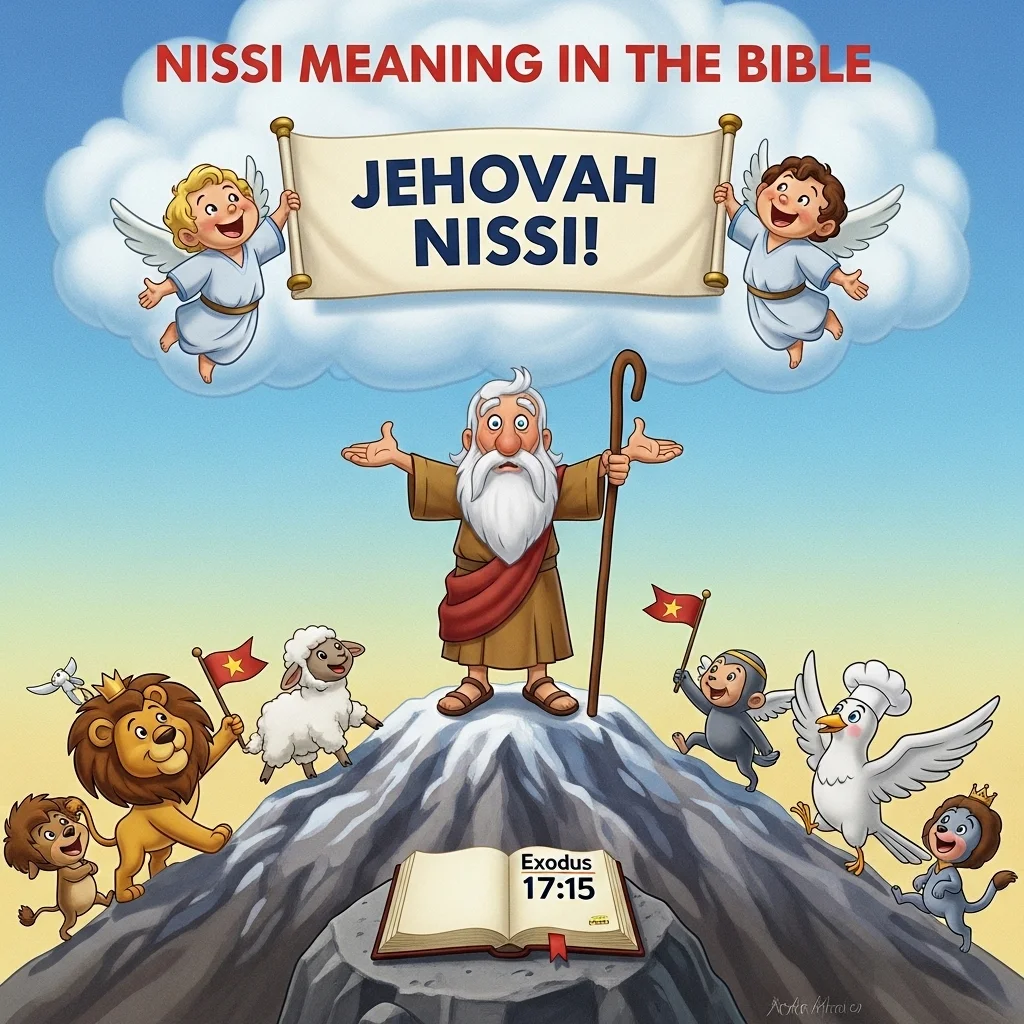
The primary reference to Nissi is found in Exodus 17:15 (KJV):
“And Moses built an altar, and called the name of it Jehovah Nissi.”
This event occurred after the Israelites’ victory over the Amalekites. Moses raised his hands during the battle, and whenever his hands were lifted, Israel prevailed. The name Jehovah Nissi became a declaration that God Himself is the banner under which His people triumph.
Key Points from the Scripture:
God as protector: He shields His people in times of conflict.
Victory through faith: Triumph is achieved not by human strength alone but by trust in God.
Symbolic banner: The altar represents God as a rallying point for faith and courage.
Symbolism and Deeper Meaning
The nissi meaning in Bible carries rich spiritual symbolism:
| Symbolic Aspect | Meaning |
|---|---|
| Banner / Flag | God as a visible guide and rallying point for His people |
| Victory | Assurance of triumph through God’s power |
| Presence of God | Recognition that God is active and leading in every battle |
| Faith and Trust | Encouragement to rely on God in challenging situations |
| Unity | Israel rallied under one banner; believers today unite under God’s name |
Through these symbols, Nissi reminds us that God is not only a source of strength but also the standard we rally around in life’s battles.
Case Study: Nissi in Modern Life
Consider Daniel, a young professional facing workplace challenges and unfair competition. By embracing the principle of Jehovah Nissi, he:
Prayed daily for guidance and protection
Acted with integrity despite challenges
Found support from mentors and community
Over time, Daniel noticed a sense of clarity, confidence, and breakthrough opportunities. By seeing God as his “banner,” he experienced inner peace and tangible victories, mirroring the biblical principle of Nissi.
Cultural Significance
While Nissi originates from Hebrew tradition, its meaning resonates globally:
Ancient Hebrew Culture: A banner was a unifying symbol in battle, rallying people around faith and leadership.
Christian Worship: Many hymns, songs, and prayers use “Jehovah Nissi” to express reliance on God’s victory.
Modern Symbolism: Today, Nissi represents empowerment, protection, and spiritual focus in personal and communal life.
By understanding the cultural roots, believers can connect ancient biblical principles with contemporary life, gaining confidence and clarity.
Psychological Perspective: Nissi as a Mindset
Psychologically, adopting the Nissi mindset can be transformative:
Reduces anxiety in conflict: Trusting God as your banner decreases fear and stress.
Boosts confidence: Knowing that God is on your side empowers decisive action.
Encourages resilience: Viewing obstacles as spiritual battles under God’s guidance strengthens perseverance.
Promotes unity and collaboration: Shared faith and trust in God bring people together to overcome challenges.
This shows that the spiritual symbolism of Nissi has practical, mental, and emotional benefits.
Spiritual Angle: Experiencing Jehovah Nissi
Spiritually, embracing Nissi means:
Recognizing God’s leadership: Trust that He guides your steps in life’s challenges.
Raising the banner of faith: Declare reliance on God in prayers, decisions, and actions.
Living victoriously: Understand that faith is not passive but active, involving courage, obedience, and hope.
A life aligned with Jehovah Nissi experiences both spiritual empowerment and peace of mind, knowing that God fights alongside His people.
Practical Advice to Apply Nissi Meaning in Daily Life
Prayer as Your Banner: Begin each day by dedicating your challenges to God.
Scripture Reflection: Meditate on Exodus 17:15 and other passages emphasizing God’s victory.
Faith-Filled Decisions: Let God’s guidance influence your choices, especially in difficult situations.
Visual Reminders: Use symbols or affirmations of Jehovah Nissi to reinforce trust.
Community Support: Unite with like-minded believers to encourage one another under God’s banner.
Journaling Victories: Record moments where God provided guidance or protection.
