
What Does Redeemer Mean in the Bible?
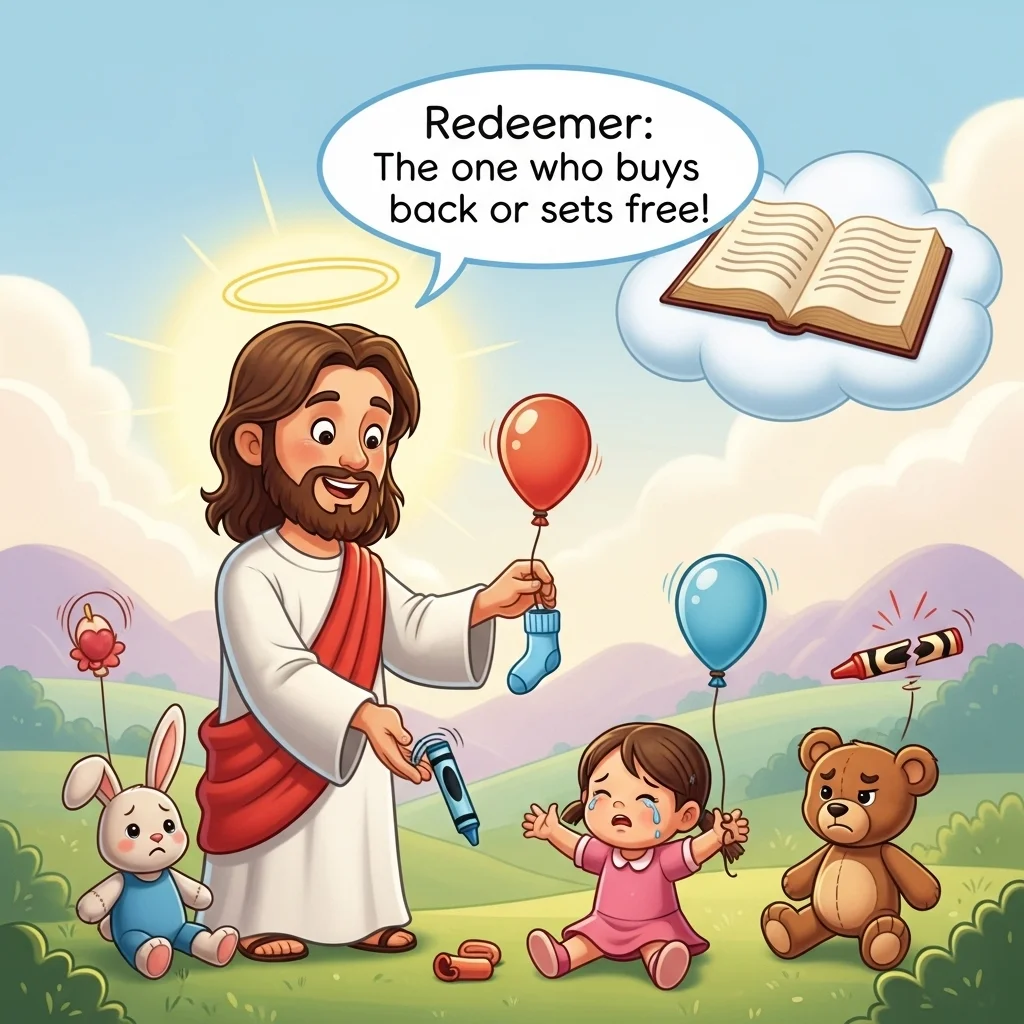
The redeemer meaning in Bible comes primarily from the Hebrew word goel (גָּאֵל), which means:
To buy back, reclaim, rescue, or restore.
A redeemer was someone who acted on behalf of a relative in need. This person would:
Buy back lost property
Free a family member from slavery
Marry a widow to preserve family lineage
Avenge wrongful death
In the Old Testament, redemption was deeply connected to family responsibility.
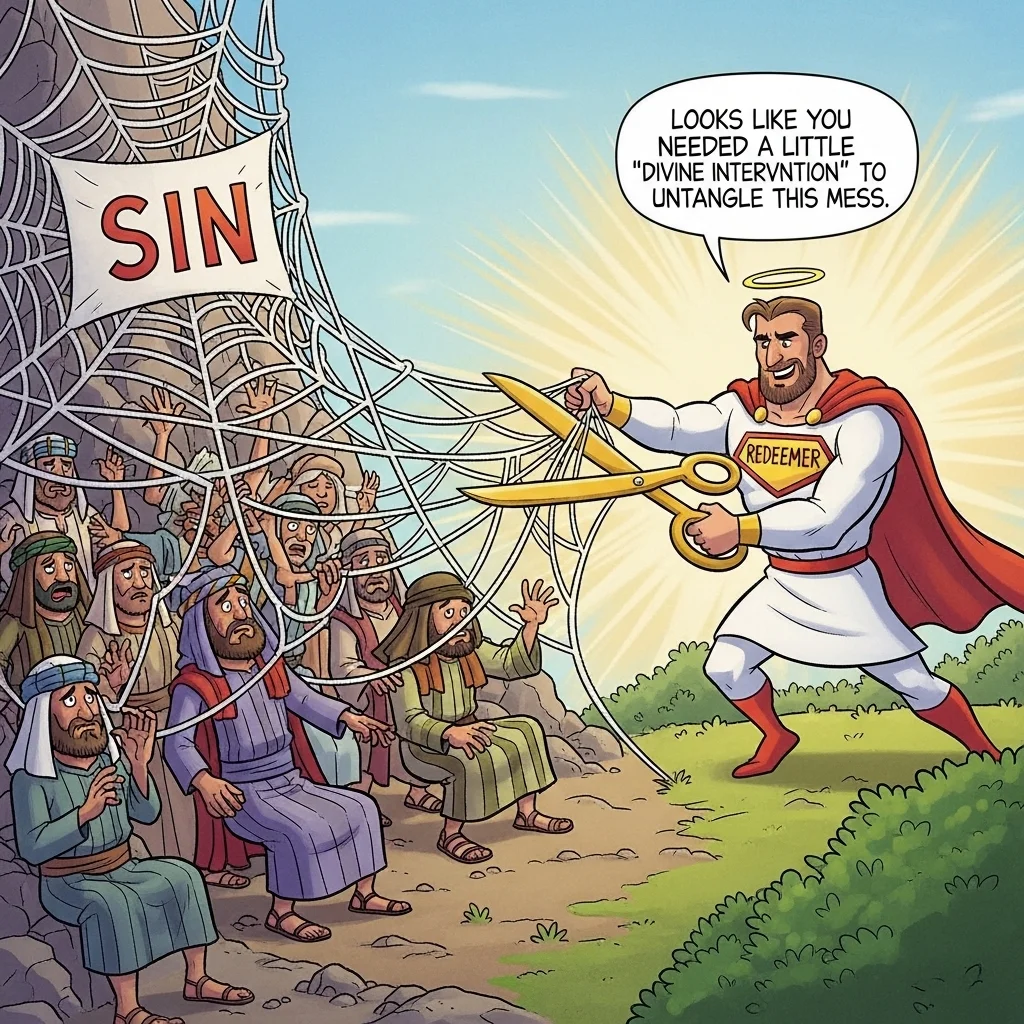
In the New Testament, the concept expands spiritually to describe salvation from sin.
The Cultural Background: The Kinsman-Redeemer
To fully grasp the redeemer meaning in Bible, we must understand the cultural system of ancient Israel.
Under Mosaic Law, a “kinsman-redeemer” had legal rights and obligations to help struggling relatives.
This concept appears clearly in:
Book of Leviticus
Book of Ruth
Responsibilities of a Kinsman-Redeemer
| Responsibility | Description |
|---|---|
| Property Redemption | Buying back land sold due to poverty |
| Personal Redemption | Freeing a relative sold into slavery |
| Levirate Marriage | Marrying a widow to preserve family line |
| Justice | Acting as an avenger of blood |
Redemption was not optional charity. It was covenant responsibility.
The redeemer meaning in Bible begins with this legal and relational duty.
Case Study: Boaz as a Redeemer
One of the clearest biblical examples is found in the Book of Ruth.
Boaz acts as the kinsman-redeemer for Ruth.
Ruth was a widow with no protection or inheritance rights. Boaz:
Redeemed her late husband’s land
Married her
Restored her dignity and security
This story beautifully illustrates the redeemer meaning in Bible:
Redemption requires willingness
It involves sacrifice
It restores both position and identity
Boaz becomes a prophetic picture of a greater Redeemer to come.
God as Redeemer in the Old Testament
The redeemer meaning in Bible expands beyond human relationships. God Himself is repeatedly called Redeemer.
In Book of Isaiah, God says:
“I am the Lord, your Redeemer.”
Here, redemption refers to:
Delivering Israel from Egypt
Restoring them from exile
Protecting them from enemies
God’s redemption always includes:
Liberation
Covenant faithfulness
Restoration
He is not a distant observer. He intervenes personally.
The Spiritual Fulfillment: Jesus as Redeemer
In the New Testament, the redeemer meaning in Bible reaches its ultimate fulfillment in Jesus Christ.
Humanity is described as enslaved—not politically, but spiritually.
According to the Gospels and letters like those in the New Testament, Jesus:
Paid the price for sin
Restored relationship with God
Freed believers from spiritual bondage
Unlike the Old Testament redeemer who paid silver or land value, Jesus paid with His life.
This transforms redemption from legal restoration to eternal salvation.
Symbolism of Redemption
The redeemer meaning in Bible carries deep symbolic themes:
1. Freedom from Slavery
Slavery in Scripture symbolizes bondage to sin. Redemption symbolizes liberation.
2. Restoration of Inheritance
Just as land was restored to families, salvation restores spiritual inheritance.
3. Costly Love
Redemption always costs something. It is never cheap.
4. Covenant Loyalty
Redemption reflects faithful commitment, not convenience.
Psychological Angle: Why Humans Long for a Redeemer
Across cultures, people crave rescue stories.
Why?
Because deep down, humans sense:
Brokenness
Guilt
Loss
Injustice
The redeemer meaning in Bible resonates psychologically because it addresses the universal human condition: the need for restoration.
Think about modern movies and novels. The hero often sacrifices to save others. That storyline mirrors ancient redemption themes.
It speaks to something wired into the human heart.
Cultural Influence Beyond the Bible
The concept of redemption has shaped:
Literature
Art
Music
Legal systems
From courtroom dramas to family rescue stories, redemption themes reflect biblical roots.
Even in everyday language, people speak of:
“Redeeming yourself”
“Second chances”
“Making things right”
The redeemer meaning in Bible has influenced moral frameworks worldwide.
Comparison: Old Testament vs. New Testament Redemption
| Aspect | Old Testament | New Testament |
|---|---|---|
| Redeemer | Kinsman or God | Jesus Christ |
| Problem | Poverty, slavery, exile | Sin, spiritual separation |
| Payment | Money, land, marriage | Sacrificial death |
| Scope | Family or nation | All humanity |
| Outcome | Social restoration | Eternal salvation |
This comparison shows the progression of the redeemer meaning in Bible from physical rescue to spiritual transformation.
Modern-Day Application: What Redemption Means for You
Redemption is not just theology. It affects daily life.
1. You Are Not Beyond Restoration
Redemption means no situation is too broken for recovery.
2. Freedom Comes at a Cost
Appreciate sacrifices made for your benefit.
3. Practice Redemption Toward Others
You can act as a “redeemer” by restoring:
Broken relationships
Lost trust
Damaged reputations
4. Value Responsibility
Just as the kinsman-redeemer had duty, we carry responsibility toward family and community.
Real-Life Example: Financial Redemption
Imagine someone drowning in debt. A relative steps in and pays it fully, expecting nothing in return.
That act reflects the redeemer meaning in Bible:
Debt cleared
Burden lifted
Future restored
Now apply that spiritually. The emotional weight becomes even greater.
Spiritual Depth: Redemption and Identity
Redemption does more than solve a problem.
It changes identity.
In biblical understanding:
Slaves become free
Outsiders become family
Lost people become restored
The redeemer meaning in Bible emphasizes belonging.
Redemption says:
“You are worth restoring.”
